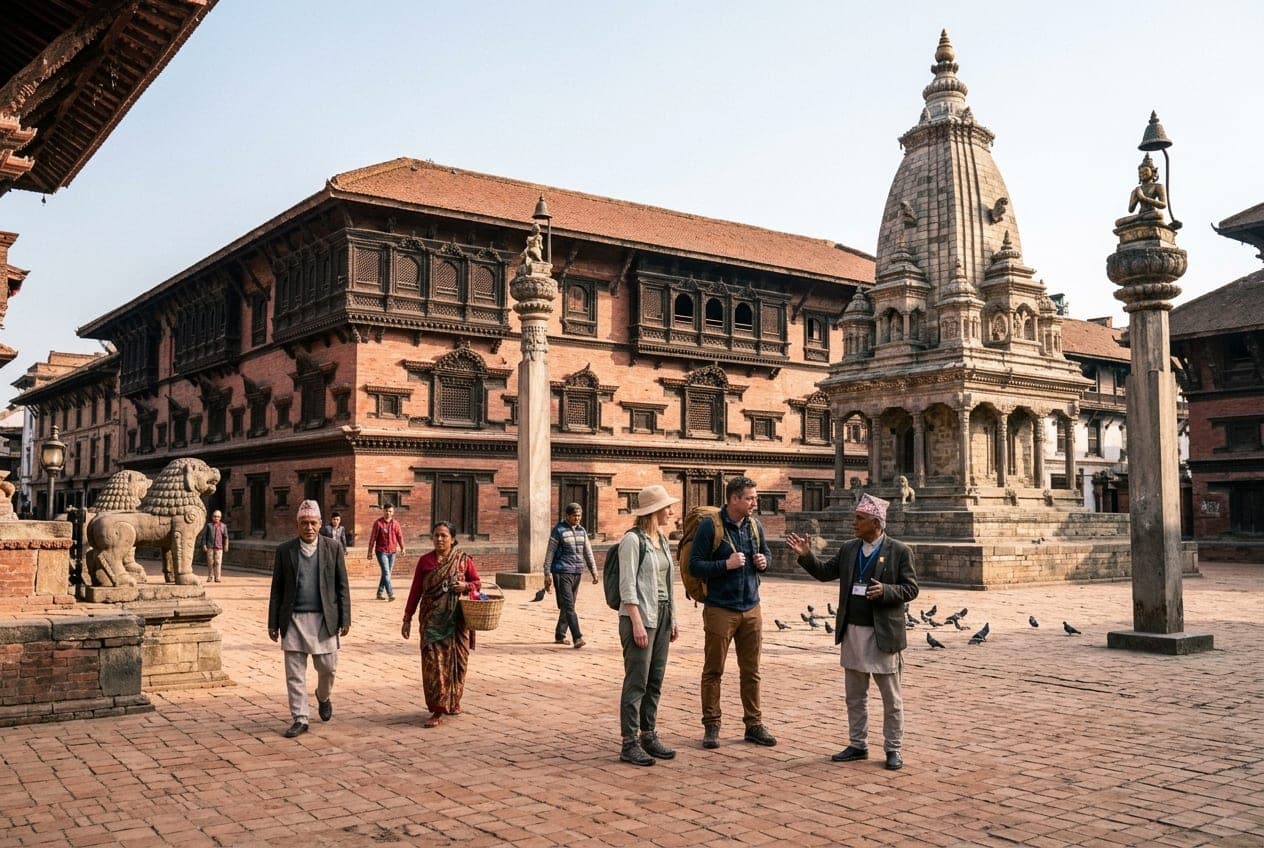
The Kathmandu Valley is small. You can cross it by car in about an hour, but it holds seven groups of monuments listed together as one UNESCO World Heritage Site: the Durbar Squares of Kathmandu, Patan and Bhaktapur, the stupas of Swayambhunath and Boudhanath, and the temples of Pashupatinath and Changu Narayan. They aren't museums. People still pray, trade and hold festivals in them every day.
The Newar cities
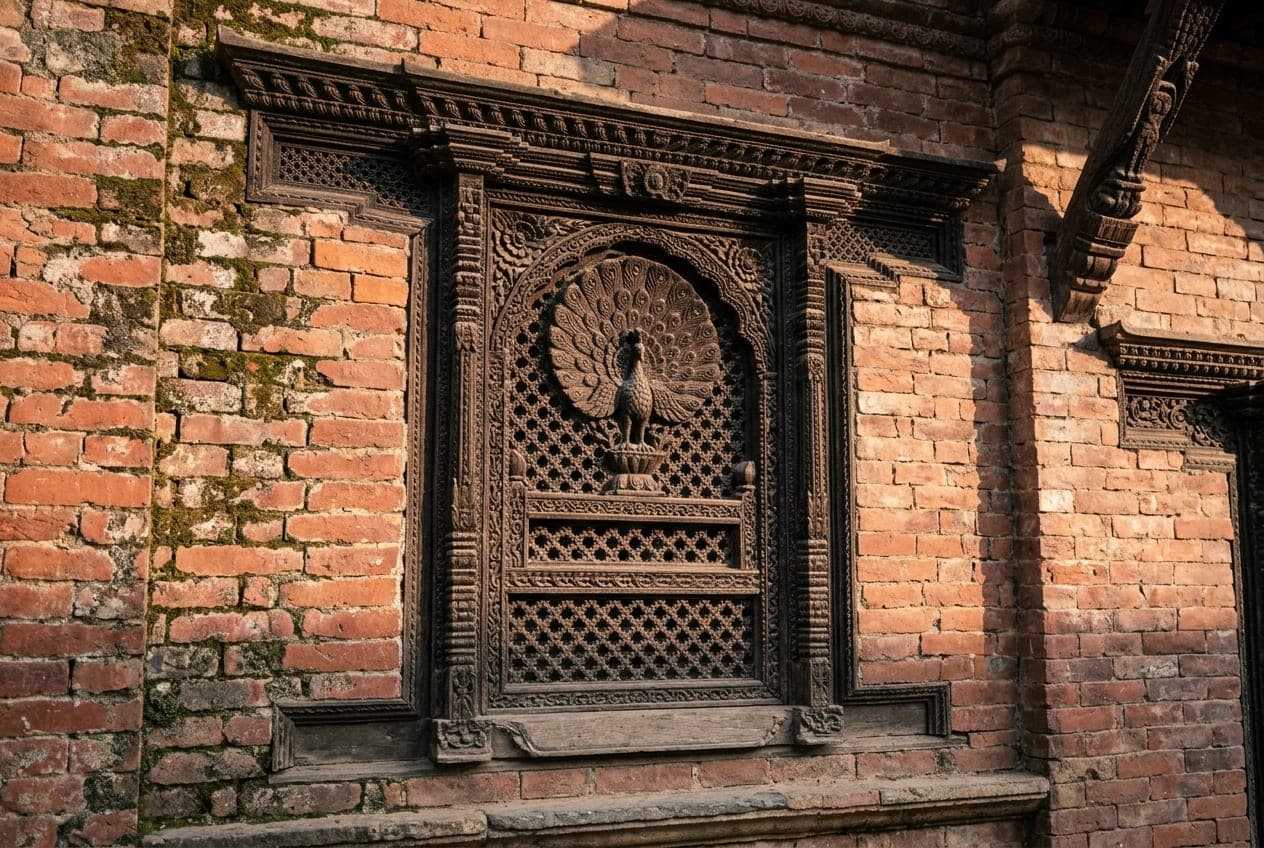
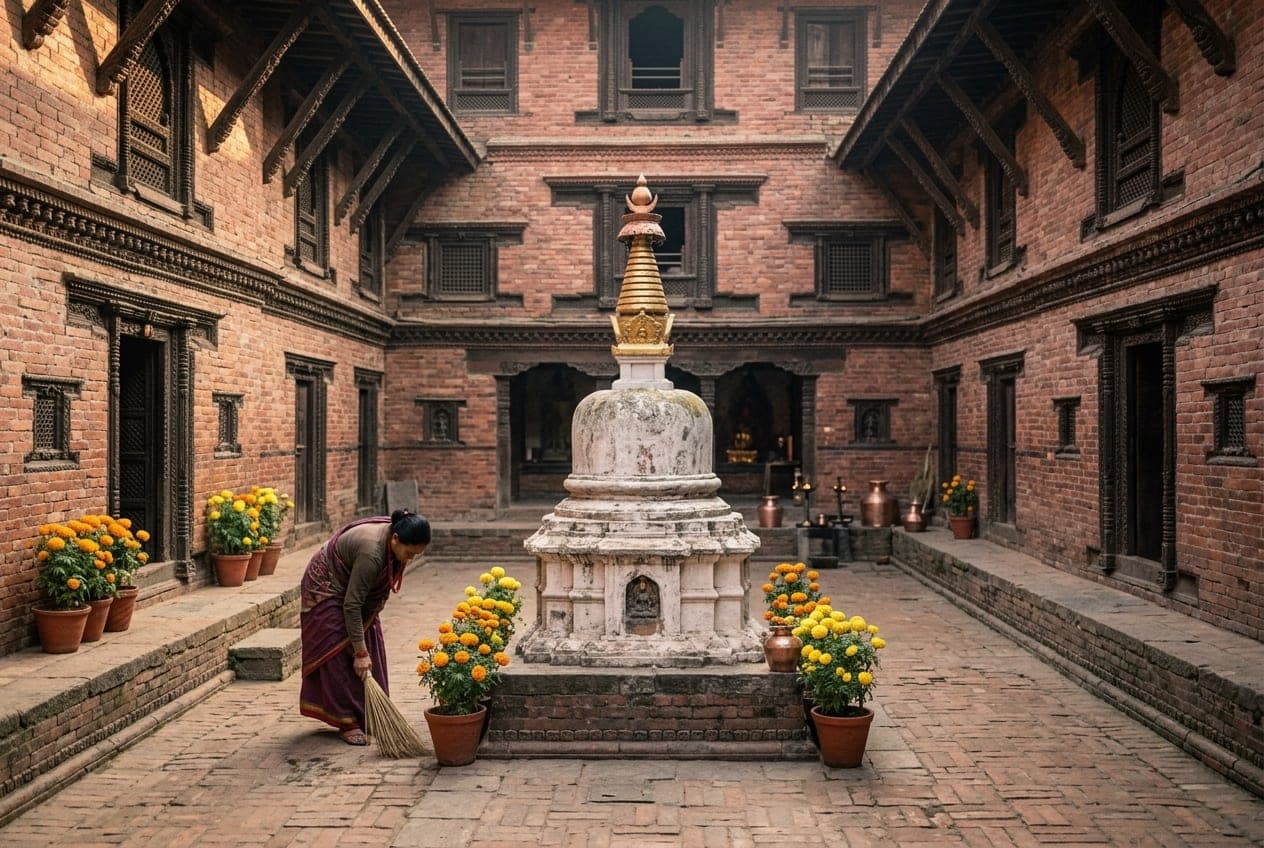
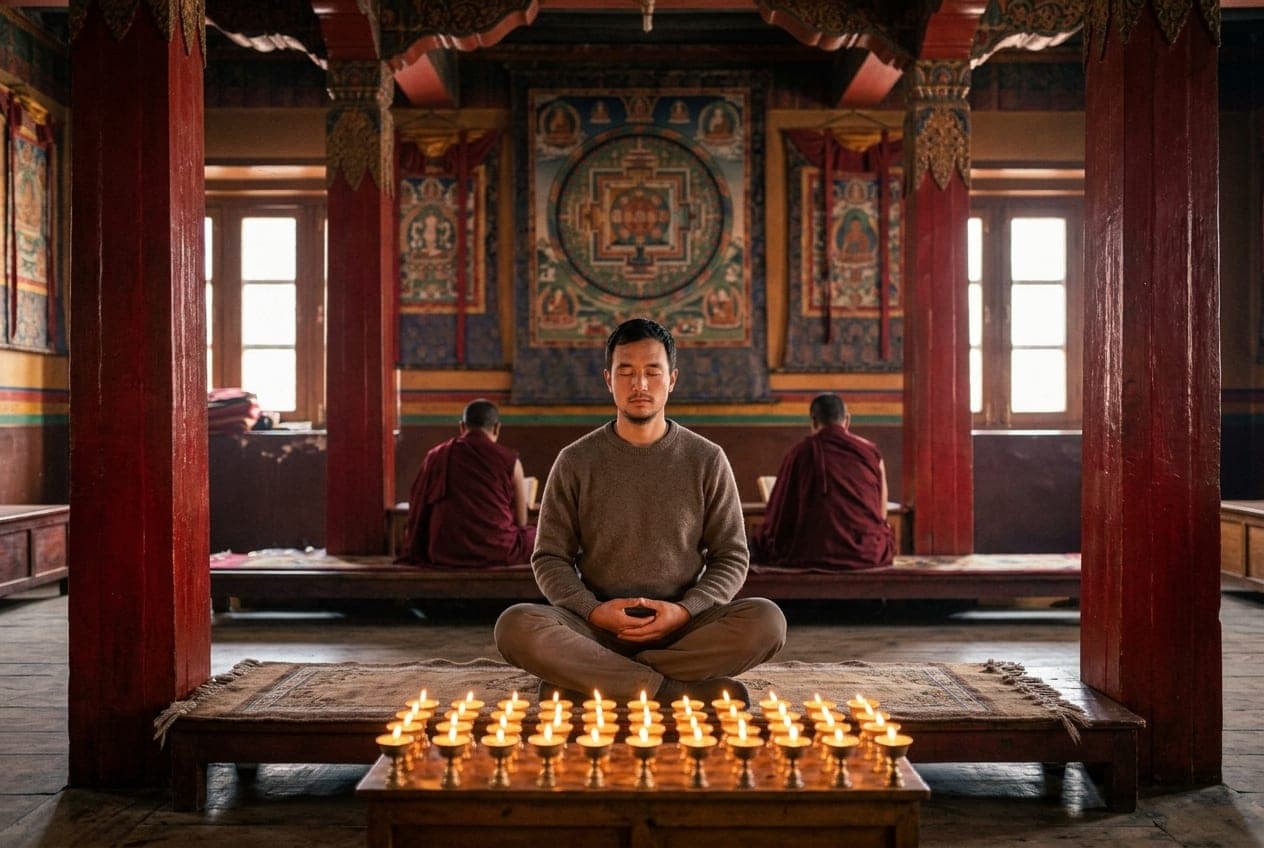
Most of what you see was built by the Newar people, who have lived in the valley for well over a thousand years. From the late 15th century until 1768, Kathmandu, Patan and Bhaktapur were separate kingdoms under branches of the Malla dynasty, and each spent heavily on its royal square: brick temples with tiered roofs and carved struts, palaces built around courtyards, and stone water spouts, some still running. Many buildings were damaged in the 2015 earthquake and have since been restored by hand. Two of the sites are Buddhist stupas and most of the rest are Hindu, but in the valley the two traditions overlap: you'll see Hindus at the stupas and Buddhist shrines in the royal squares.
Our heritage tour
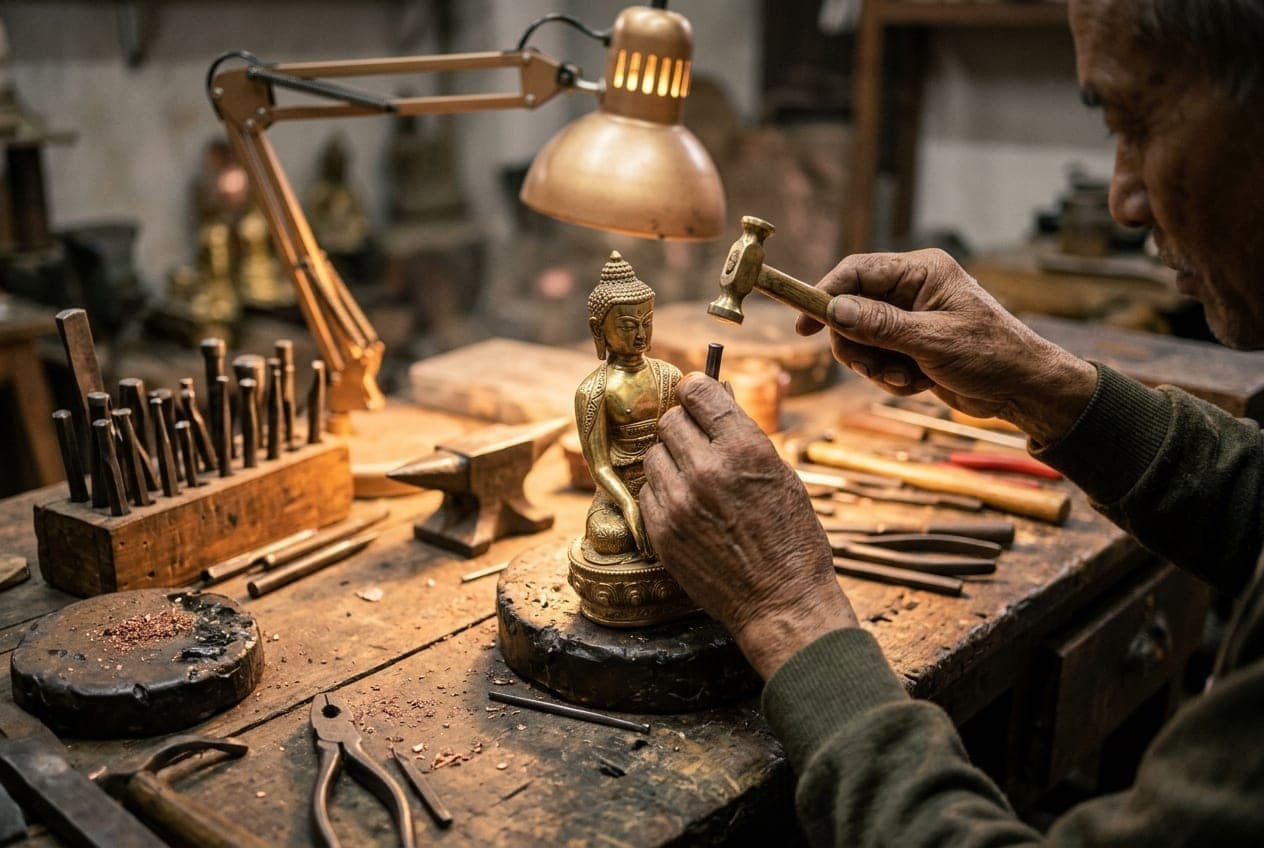
Our Kathmandu Valley Heritage Tour covers the main sites in three unhurried days with a local guide and a private car. Day 1 is Kathmandu Durbar Square, the old bazaars of Asan and Indra Chowk, and Swayambhunath above the city. Day 2 is Patan, with its museum, the Golden Temple and the metalworkers' lanes, then Boudhanath in the late afternoon, when local people walk the kora around the stupa. Day 3 is Bhaktapur: the Nyatapola temple, Pottery Square and a woodcarving workshop. Each day ends by late afternoon, so your evenings are free.
Breakfasts and two Newari lunches are included: one in a local kitchen in Patan and one in a family home in Bhaktapur. Expect beaten rice (chiura), spiced buffalo or vegetable dishes, black lentil pancakes (bara) and Bhaktapur's thick yoghurt, juju dhau. You stay two nights in a hotel in Patan, close enough to walk into the old city in the evening.
Going further
If you'd like to spend longer with one craft, stay on for a wood carving workshop in Bhaktapur or a metal craft workshop in Patan. A fourth or fifth day in the valley can add Pashupatinath and Changu Narayan, or a half-day carving taster. Your guide can also change the order of the days around festivals, crowds or the weather.
Heritage tours
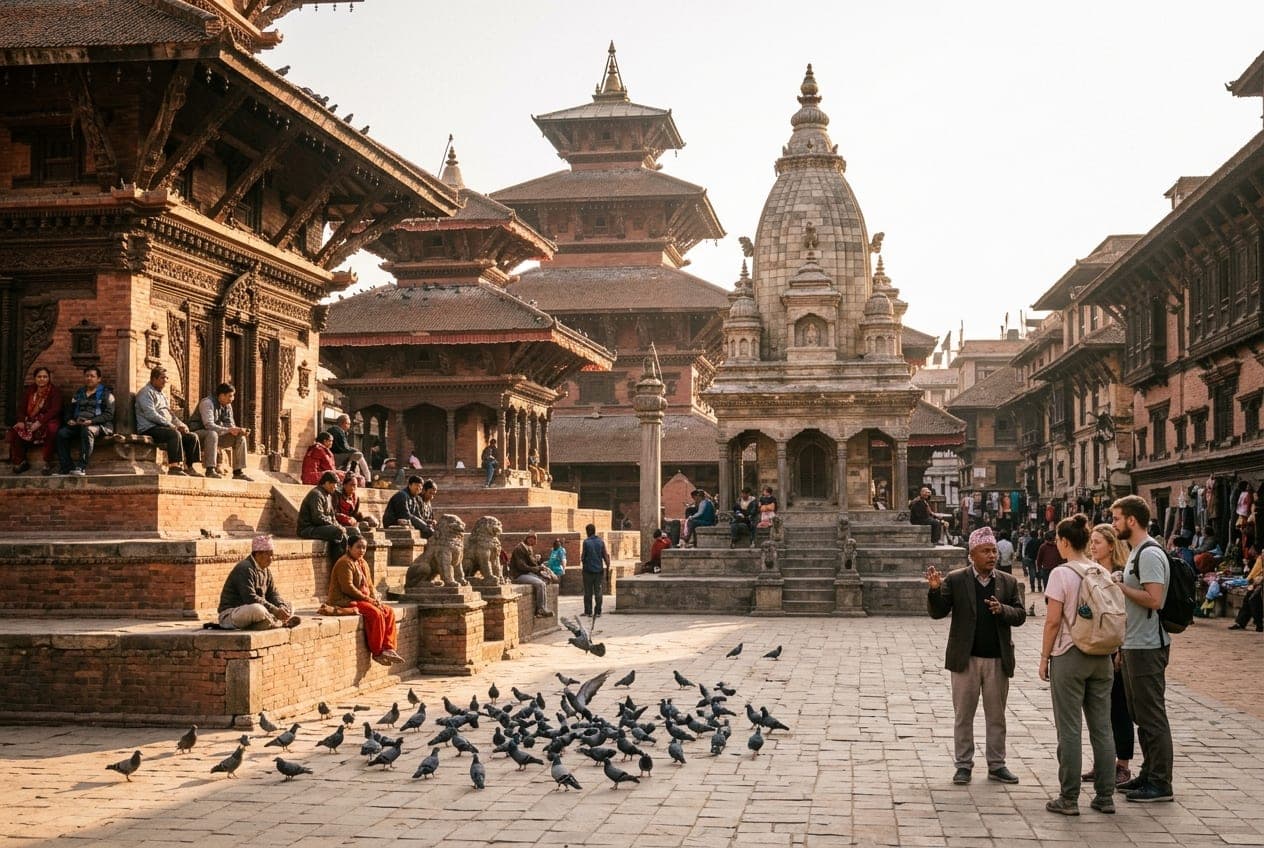
Kathmandu Valley Heritage Tour
Best time to go
The valley works all year. October and November are clear and dry, and Dashain and Tihar, the biggest festivals, usually fall in these months. March to May is warm, and Bhaktapur celebrates Bisket Jatra at the Nepali New Year in mid-April. December to February is sunny by day and cold at night.
The monsoon (June to mid-September) brings afternoon rain, green hills and fewer visitors, and Indra Jatra in Kathmandu usually falls in late August or September. Festival dates follow the lunar calendar, so tell us your dates and we'll check.
What to expect
Expect three full days on foot, with short drives between the cities. Lunch is included on Days 2 and 3; on Day 1 your guide suggests a place. The paving is brick and stone, and some temple steps are steep.
You'll take your shoes off at some shrines and walk clockwise around stupas. Some Hindu temples, including the main temple at Pashupatinath, are open only to Hindus; your guide shows you where you can watch from. Entry fees for every site on the itinerary are included.
Who it's for
Nearly everyone: first-time visitors, families, older travellers, photographers, and anyone interested in architecture, religion or craft. It's a good way to start a trip while you get over the flight, or a calm way to end one after a trek.
For more depth on how the buildings work, look at our Newar architecture workshop.
Frequently asked questions
Three days covers the three Durbar Squares, Swayambhunath and Boudhanath at a comfortable pace. With a fourth or fifth day you can add Pashupatinath, Changu Narayan or a hands-on craft workshop.
Yes. The walking is gentle and on flat paving, with plenty of stops, and a private car takes you between the cities. The steps up to Swayambhunath are steep, but the car can take you most of the way up.
Yes, tell us your dates. Dashain and Tihar usually fall in October or November, Indra Jatra in late August or September, and Bisket Jatra in mid-April. Dates follow the lunar calendar and change every year.
Your guide, a private car and driver, two nights in a hotel in Patan with breakfast, two Newari lunches (Days 2 and 3) and entry fees for every site on the itinerary. Airport transfers, dinners and lunch on Day 1 are not included.
Clothes that cover your shoulders and knees are respectful at temples and stupas. You take your shoes off at some shrines, so shoes that slip on and off easily help, and leather is not allowed inside some Hindu temples.