When is the best time to trek in Nepal?
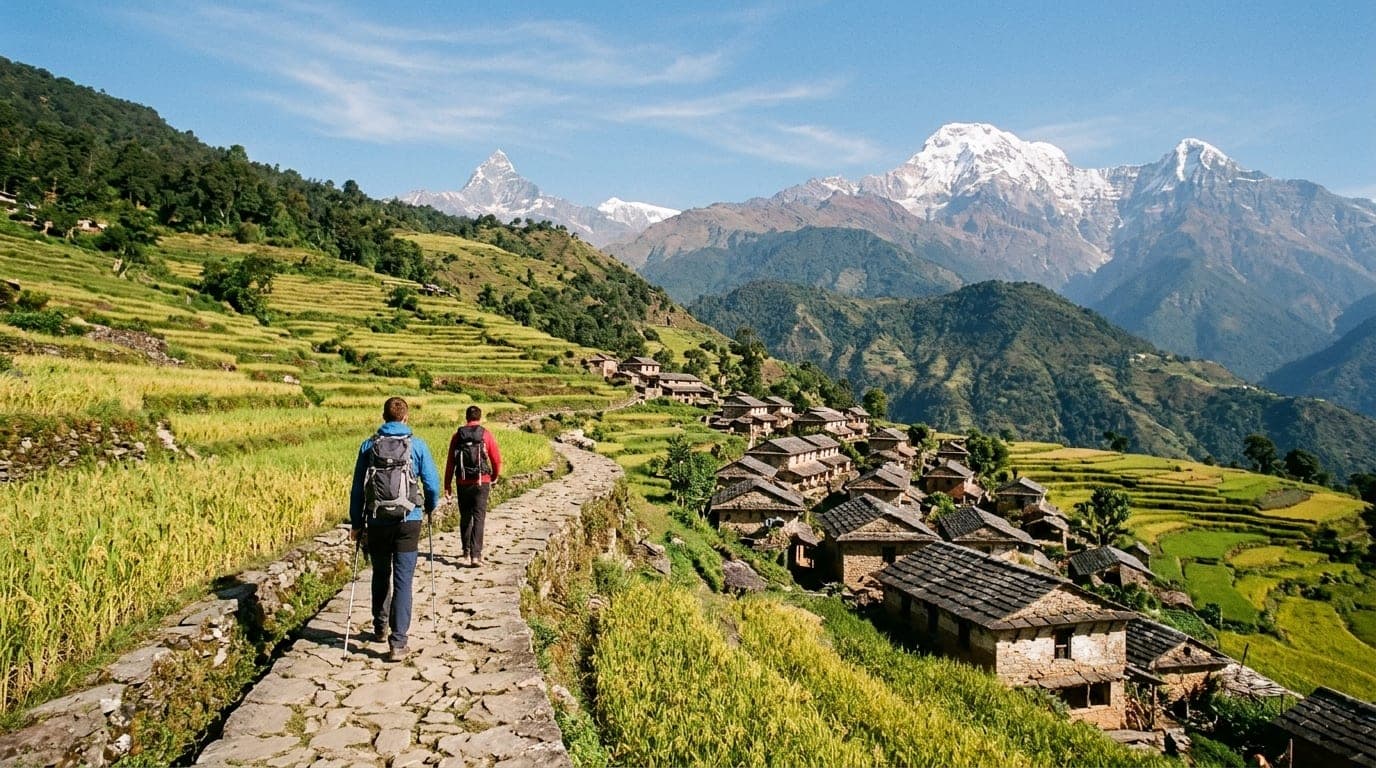
Spring or autumn? A month-by-month guide to Nepal's trekking seasons: what each month means for views, crowds and temperature, and which month suits which trek.
The short answer: October and November for the clearest views, and March to May for warmer days and flowering rhododendrons. But every month has its trade-offs, and the right time for you depends on the trek, how you feel about crowds and cold, and when you can travel. Here's how the year works.
Nepal's four seasons in brief
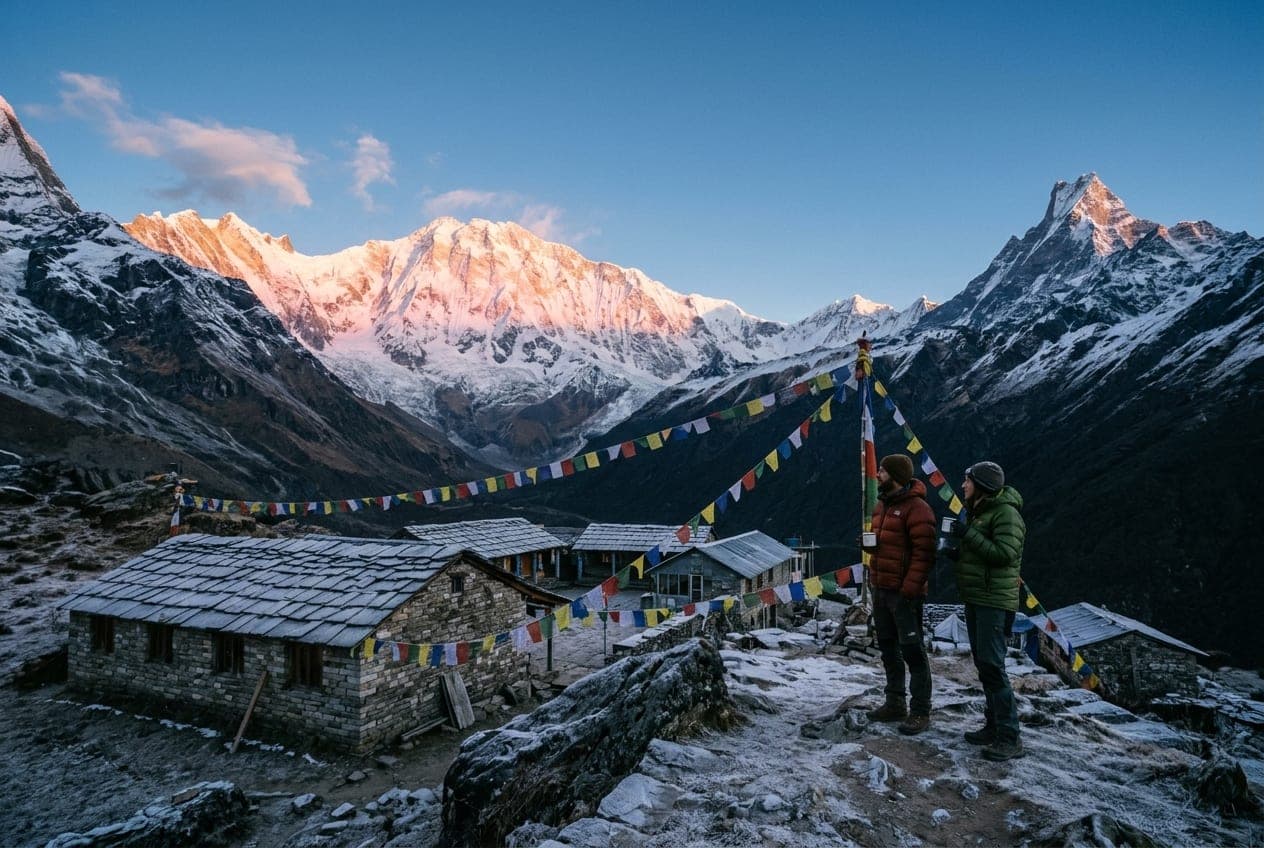
- Autumn (late September to November): dry, settled weather after the monsoon, the clearest mountain views of the year, and the busiest trails.
- Winter (December to February): cold and often clear, with quiet trails. High passes can close with snow.
- Spring (March to May): warmer, with rhododendrons in flower and more haze and afternoon cloud as the season goes on.
- Monsoon (June to mid-September): warm, wet and cloudy, with leeches in the forests and frequent delays to flights and roads.
Month by month
January
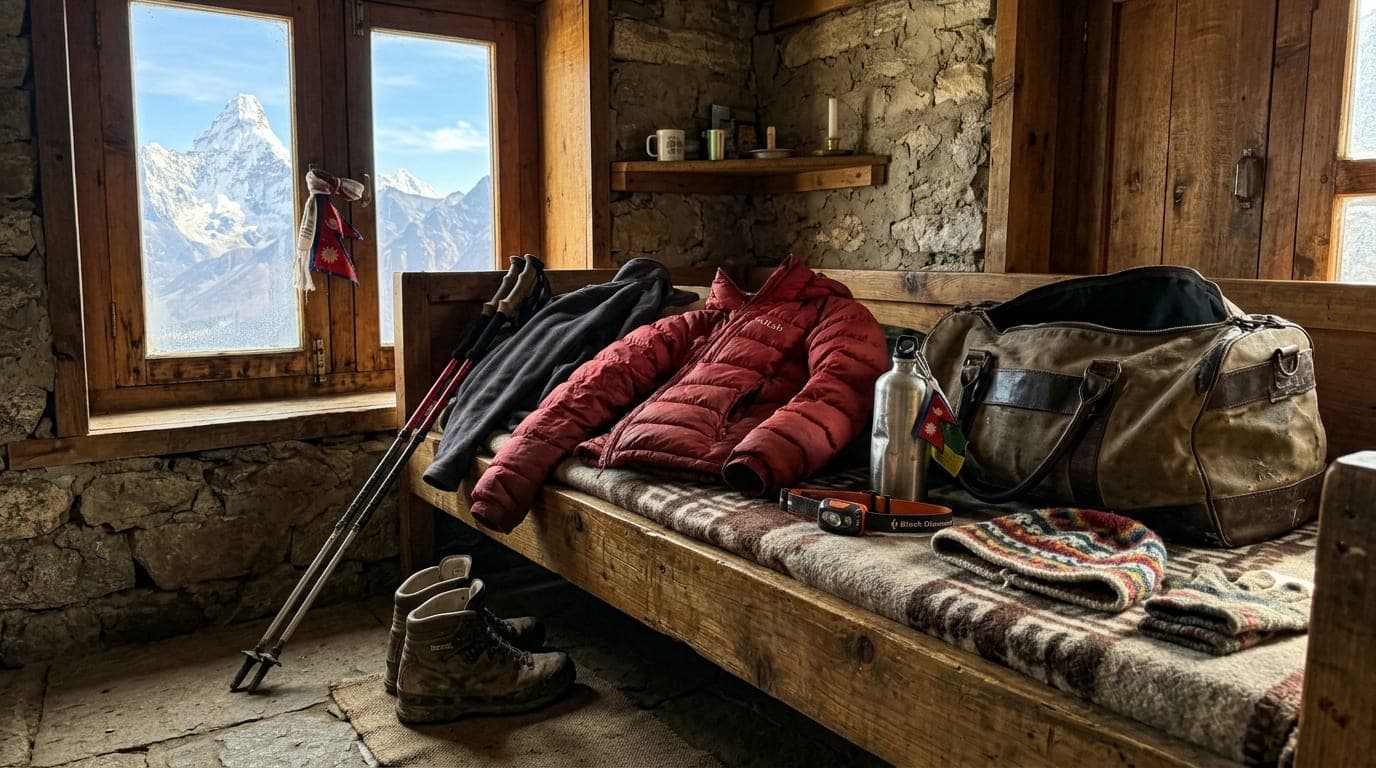
The coldest month. Nights at Gorak Shep, the last stop before Everest Base Camp, can fall below −15 °C, and some high lodges close for the winter, particularly on the Manaslu route. Lower treks such as Langtang are quiet and clear if you pack well. A good month for heritage trips in the Kathmandu Valley: sunny days, cold nights.
February
Still cold at altitude, but warming by the end of the month, and days are usually clear. After heavy snow, avalanche risk on the Annapurna Base Camp route between Deurali and Machhapuchhre Base Camp can be high, so guides check conditions daily. In Chitwan the tall grass is usually cut around now, which makes wildlife easier to see.
March
Spring arrives. Temperatures rise, rhododendrons start to flower on the lower slopes and the trails get busier. Views are still good, especially in the mornings. A good month for every trek we run, and for combining a trek with a few days in Chitwan.
April
Peak spring. Rhododendron forests between about 2,000 and 3,500 m are in full flower, on the Annapurna and Langtang routes among others. Everest Base Camp fills with expedition teams. Afternoon cloud and haze are common, so start walking early. Bhaktapur celebrates Bisket Jatra at the Nepali New Year in mid-April.
May
Warm in the valleys and increasingly hazy, with afternoon showers by the end of the month as the monsoon approaches. It's Everest summit season, so Base Camp is at its busiest. In the lowlands, Chitwan is hot, often above 35 °C.
June to mid-September: the monsoon
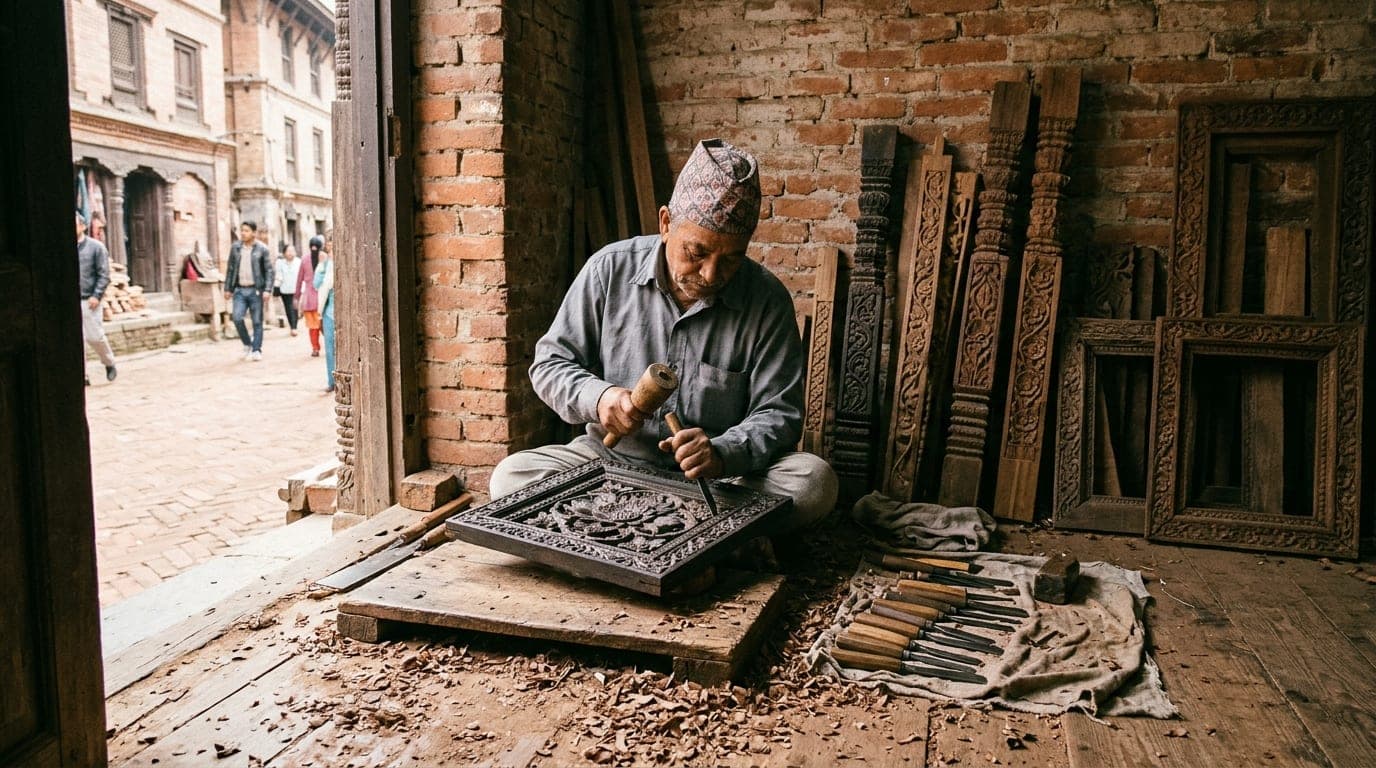
Most of Nepal's rain falls in these months. Trails are muddy, leeches are out in the forests, the mountains are often hidden, and landslides can block roads, including the road to Langtang. Lukla flights are often delayed. We don't recommend trekking in the monsoon, and our architecture workshop and meditation retreat pause too. Town-based trips such as the craft workshops and the heritage tour still work well, with green hills and few visitors.
Late September
The rain usually eases in the second half of the month, though the first weeks can still be wet. Trails are green and quiet, and views improve towards October.
October
The classic trekking month: dry, stable weather and the clearest views, at the price of the busiest trails and teahouses. Book early, especially for Everest Base Camp. Dashain, Nepal's biggest festival, often falls in October, when many Nepalis travel home and buses and flights fill up.
November
Still clear and dry, a little colder and a little quieter than October. Tihar, the festival of lights, usually falls in late October or November. A very good month for every trek, and for photographers.
December
Cold nights and short days, but often clear and settled, and the trails are quiet. Lower treks are pleasant. On the Manaslu Circuit the Larkya La can be closed by snow from December, so check with us before booking.
Which month for which trek?
- Everest Base Camp: October to November and March to May. In the busy months most Lukla flights leave from Ramechhap, a 4–5 hour drive from Kathmandu.
- Annapurna Base Camp: October to November and March to May; April for rhododendrons. Check avalanche conditions in late winter and early spring.
- Manaslu Circuit: late September to November and March to May. The pass can be snowbound from December to February.
- Langtang Valley: October to December and March to May. A good winter option if you pack for cold nights.
- Chitwan jungle safari: October to March.
Crowds and festivals
October and November are the busiest months on every trail, followed by April. If you'd rather have the teahouses to yourself, look at late September, December or early March, and accept a little more risk of cloud or cold. Festivals such as Dashain and Tihar follow the lunar calendar, so their dates change every year. They're a good time to see Nepali family life, but they can fill buses and flights.
A note on the weather
Mountain weather is never fully predictable. Even in October you can get a day of snow at altitude, and in spring cloud often builds by early afternoon, which is why trekking days start early. Pack for cold nights whatever the month, and keep a spare day or two at the end of your trip in case flights or roads are delayed.
Not sure which month suits you? Tell us when you can travel and we'll suggest the trek that fits.
Journeys to read about, then live
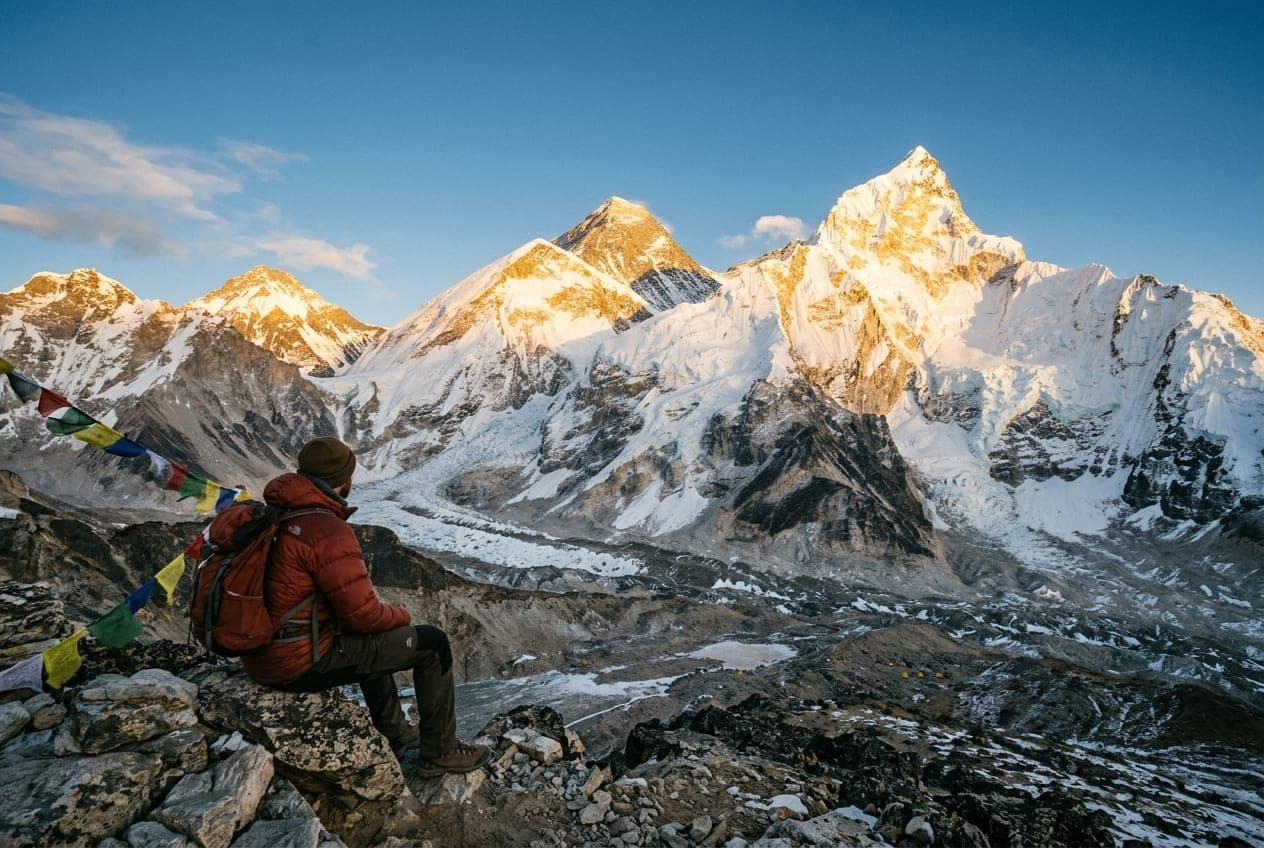
Everest Base Camp Trek